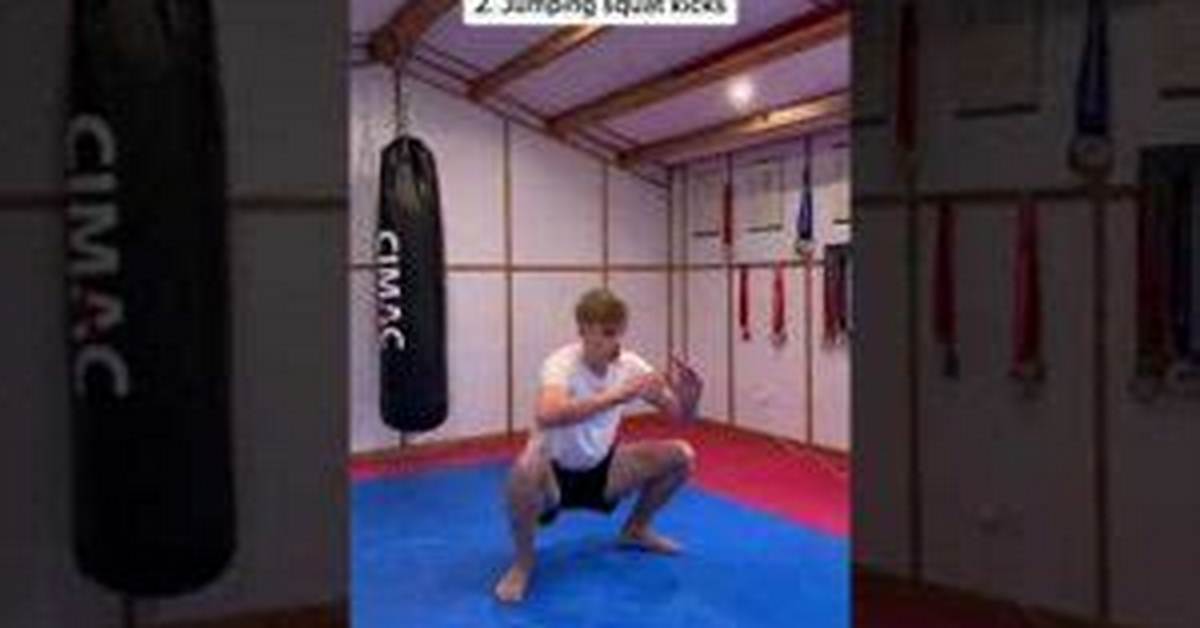
Martial arts enthusiasts often seek to enhance their skills through various techniques, one of which is the Togi Kick. This powerful move has become increasingly popular among practitioners due to its effectiveness and versatility in combat situations. In this article, we will delve into the intricacies of the Togi Kick, exploring its origins, techniques, and applications.
The Togi Kick is not just a move but a testament to discipline, focus, precision, and dedication. It represents the pinnacle of martial arts mastery, requiring practitioners to combine strength, flexibility, and mental fortitude to execute it flawlessly.
Through this in-depth guide, we aim to provide valuable insights into the Togi Kick, catering to both beginners and advanced martial artists. Whether you're looking to improve your technique or understand the science behind this move, you'll find everything you need right here.
History of Togi Kick
The Togi Kick has its roots in ancient martial arts traditions, originating from the Eastern world where martial arts were developed as both a form of self-defense and spiritual practice. The move was first documented in the 16th century in Japan, where it was used by samurai warriors during combat. Over time, the Togi Kick evolved, becoming a staple technique in various martial arts disciplines, including Karate, Taekwondo, and Muay Thai.
Origins and Development
The development of the Togi Kick was influenced by the need for efficient and effective combat techniques. Practitioners refined the move over centuries, adapting it to suit different fighting styles and environments. Today, the Togi Kick is celebrated for its dynamic nature and ability to deliver powerful strikes with precision.
Togi Kick Techniques
Mastering the Togi Kick requires a deep understanding of its techniques. Below, we explore the fundamental aspects of executing this powerful move.
Basic Stance and Posture
A proper stance is crucial for executing the Togi Kick effectively. Ensure your feet are shoulder-width apart, with your weight evenly distributed. Keep your core engaged and maintain a straight back to enhance stability and balance.
Key Movements
- Step forward with your lead foot, pivoting on the ball of your rear foot.
- Swing your rear leg upward, keeping it straight and locked.
- Drive your hips forward to generate power and momentum.
- Follow through with your kick, ensuring your leg fully extends before retracting.

